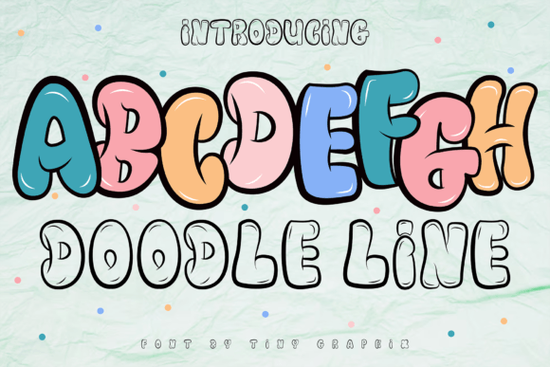
If you are looking for a typeface that brings energy to your projects without taking itself too seriously, the Doodle Line Font fits that role perfectly. It is not just another decorative script; it captures the messy, spirited vibe of hand-drawn graffiti while keeping legibility high. You often find this kind of display font used when a brand wants to seem approachable, rebellious, or connected to youth culture. For those working on merchandise, game assets, or social media banners, having a tool like this on hand saves hours of trying to sketch custom lettering yourself.
What sets this urban typeface apart?
Many fonts promise a unique look, but finding one that balances structure with artistic freedom can be tricky. This particular set offers bold, dynamic lines that mimic the motion of a marker or spray paint. Because the strokes vary in width and angle, it adds texture to headlines that solid sans-serifs lack. It is ideal for grabbing attention quickly, which is crucial when users scroll past content rapidly. Unlike rigid geometric shapes, these characters feel organic and alive.
If you are building a project that needs a bit more softness alongside this edge, checking out softer brush options might help you balance the heavy weights of your layout. Conversely, if you want to maintain a strong contrast but lean towards a vintage graphic style, exploring that vintage aesthetic could provide inspiration for backgrounds or secondary elements. The key is ensuring the personality matches the message you intend to send to your audience.
Ideas for application in branding and gaming
This style is particularly effective for industries focused on entertainment, hobbies, or street fashion. Imagine applying this to a sneaker brand logo or a header for a YouTube channel about skateboarding. The rough edges convey authenticity, suggesting the creator understands the subculture they are addressing. In the world of indie games, character names or health bars often use this kind of handwriting to imply an arcade or comic book setting. It helps establish a visual language that players recognize immediately.
For print-on-demand sellers, versatility is essential. While the core vibe is gritty, you can soften the impact by pairing it with cleaner body text or bright color palettes. If you are targeting a younger demographic, consider how this mixes with bright typeface for younger audiences. Children often respond well to exaggerated shapes and vivid letters. Similarly, if you need to create merchandise that feels nostalgic yet fresh, looking at playful, multi-color ideas can spark new variations of your initial concept. These combinations allow you to broaden the appeal beyond just a single niche.
Tips for successful implementation
One common mistake designers make is using too many decorative fonts together. To keep your design professional, stick to one display font per composition. Try balancing the doodle style with a straightforward sans-serif for smaller details like terms and conditions or credits. This ensures the main message remains clear even if the decoration is loud. Also, pay attention to kerning. Hand-drawn fonts sometimes space letters unevenly, so adjusting tracking can prevent headaches later when exporting files.
For a different structural feel, such as athletic lettering, seeing examples of sporty college style helps visualize how to adapt the thickness of your own lettering for various surfaces. Whether you are printing on fabric, paper, or digital screens, test the resolution to ensure the fine lines don't disappear. It is also wise to read the license agreement carefully. Some creators require attribution, while others grant commercial rights freely. Knowing this before you start saves legal trouble down the road.
You can easily find the specific package we discussed here by searching for Doodle Line Font directly on the marketplace. This ensures you get the official version with all associated weights and formats intact.
- Choose one headline font: Don't compete with your image or other text layers.
- Test on white and black: Ensure contrast works for both light and dark backgrounds.
- Pair wisely: Match with neutral body text to maintain readability.
- Check licensing: Verify commercial usage rights before selling final goods.
- Export correctly: Save as SVG or PNG depending on your production method.
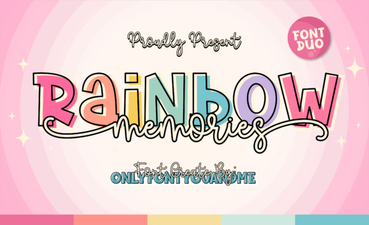 Rainbow Memories Font: Design Projects & Creative Uses
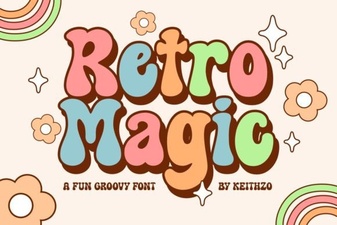 Retro Magic Fonts for Creative Designs
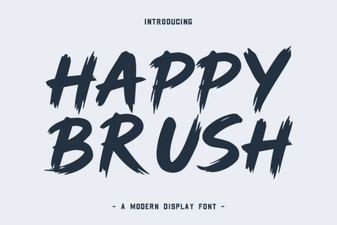 A Joyful Brush Font for Creative Projects
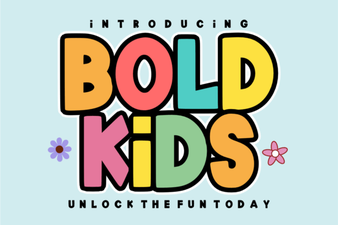 Creative Font Ideas for Bold Kid-Friendly Designs
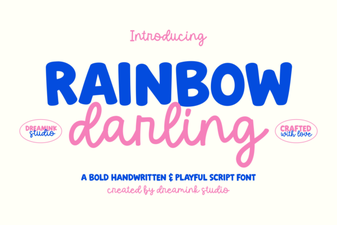 Rainbow Darling Duo Font: Creative Pairing Ideas
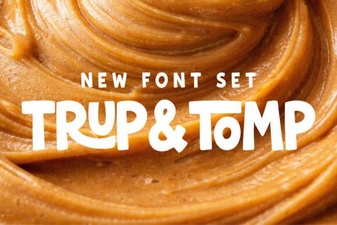 Trup & Tomp Font: Creative Typography Designs