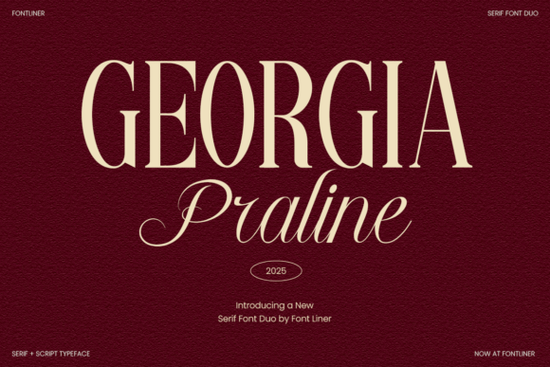
If you want your creative projects to look polished and professional, choosing the right typography is essential. You know that a single character change can shift the entire mood of a design. For this reason, the Georgia Praline Font stands out as a strong option for those who need a blend of authority and softness. It combines a structured serif with a flowing script, giving you flexibility without sacrificing consistency.
Many designers find themselves struggling to match typefaces that feel cohesive yet distinct. When you combine a serif face for readability with a script for emphasis, you create a balanced visual hierarchy. This pair is particularly helpful when working on items that require a touch of luxury or romance. Whether you are crafting a business card or designing a wedding suite, having a versatile duo simplifies the process significantly.
What makes a two-part font useful for projects?
The primary advantage of using a paired typeface is the ability to maintain unity across different media. A dedicated serif provides clear legibility for long-form text, ensuring your message is easy to read. Meanwhile, the accompanying script adds a personal signature element that feels handcrafted and intentional. Together, they form a complete system rather than just isolated characters.
This approach saves time during the layout phase because you do not need to hunt for matching secondary fonts. You can rely on the inherent connection between the two styles. If you prefer exploring other similar matches, you can browse more options within this serif collection to see how other designers utilize complementary pairs.
Additionally, file organization becomes less cluttered when everything lives in one package. You avoid the risk of mismatched weights or incompatible character sets that often happen when sourcing separate fonts. This reliability is crucial for commercial clients who expect their final files to open without errors.
Where can you apply this design style?
Versatility is key when purchasing a digital asset. Because the aesthetic leans toward elegance, it fits well within wedding invitations and greeting cards. The script portions draw attention to names or dates, while the serif handles the body copy comfortably. Editors also appreciate this combination for magazine covers or blog headers where tone matters deeply.
Small business owners often use these letters for social media graphics and packaging labels. A consistent typographic voice builds trust with your audience. When you use it for logos, the mix of formal and friendly tones helps establish a premium brand identity. It signals quality without shouting for attention.
Crafters selling physical goods will find this useful for customizing t-shirts or mugs. The design scales well, ensuring clarity whether it appears on a small tag or a large banner. Just remember to test the kerning manually if you plan to resize the graphic drastically before printing.
How do you choose the right match for your brand?
Selecting the perfect typography depends on your target demographic and the emotional response you want to evoke. If your brand focuses on minimalism, keep the application simple with plenty of white space. Overcrowding the design can detract from the sophistication these letters provide.
Consider other assets in your library before committing. If you already use a very bold sans-serif, introducing this elegant script creates a nice contrast. Sometimes it helps to look at alternative classics to compare styles. For instance, you might examine similar heritage styles to understand how historical influences shape modern layouts.
It is also important to verify licensing terms before selling products. Most Creative Fabrica downloads allow you to use the font in both personal and commercial ventures, provided you review the specific vendor agreement. This distinction protects you from legal issues later on.
Tips for maximizing your design output
To get the most out of this investment, follow these steps to ensure your workflow remains smooth:
- Install immediately: Download the zip file and extract the contents to a folder named after the project.
- Activate in software: Open your preferred design tool and refresh the font menu if the list does not update automatically.
- Export correctly: Always export images at 300 DPI if you intend to print the artwork physically.
- Test spacing: Manually adjust the distance between capital letters if the default tracking looks too loose.
Making sure you have all the necessary files before starting a client job prevents unnecessary delays. Taking these few extra minutes to prepare your workspace ensures that the final result reflects the high standards expected from your work.
Explore Design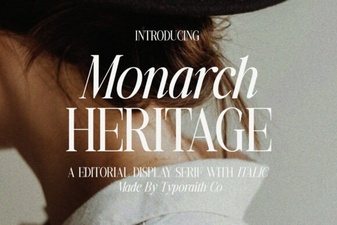 Monarch Heritage Font: Creative Typography Projects
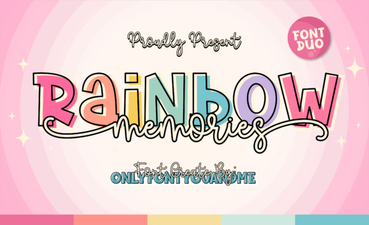 Rainbow Memories Font: Design Projects & Creative Uses
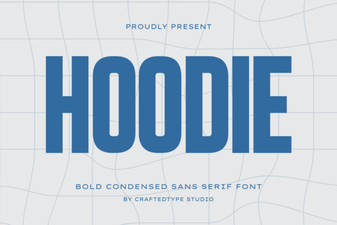 Choosing Fonts for Your Hoodie Design Project
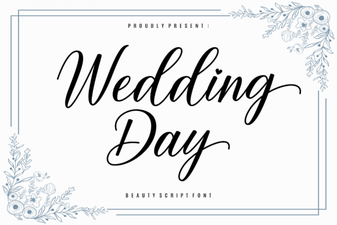 Wedding Day Fonts: Your Complete Design Guide
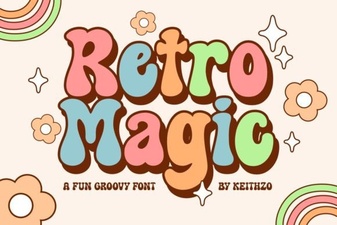 Retro Magic Fonts for Creative Designs
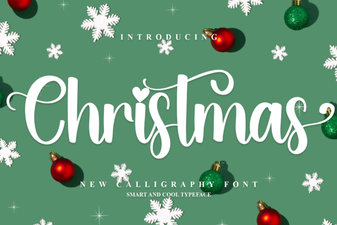 Best Christmas Fonts for Holiday Design Projects